The fashion industry now produces more items than at any point in history, and many are discarded after little use. Amid this flood of mass-produced products, why are consumers still willing to wait, and even pay a premium, for handcrafted items that carry the imperfect marks of human hands?
I. Authenticity in a World of Replication
We live in an era of instant perfection, where anything can be copied in just a few clicks. This creates an identity crisis, leaving individuals feeling a lack of personal connection and depth. The scroll culture, constantly delivering a stream of products, fails to satisfy our fundamental need for meaning and genuine connection.
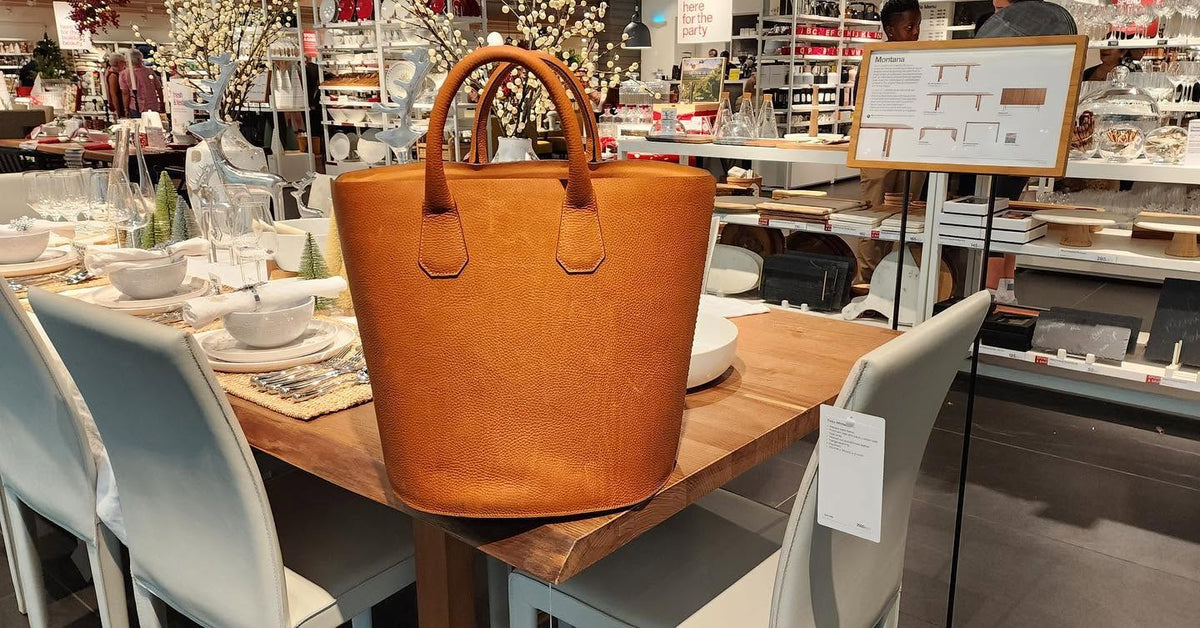
In this context, handcrafted goods quietly rebel. Each piece is not just a product, but a story of time, patience, and the dedication of the artisan. Luxury houses still build their most coveted bags by hand, and customers are willing to wait months to own one. They are not simply buying a bag - they are investing in time, craftsmanship, and artistry, elements no machine can replicate.
II. When Consumer Psychology Shifts
The preference for handcrafted products is no longer a niche indulgence. Marketing research on the so-called handmade effect has found that people value handmade products more because they sense the care and intention of the maker, and that handmade objects create a stronger feeling of attachment than mass-produced ones.
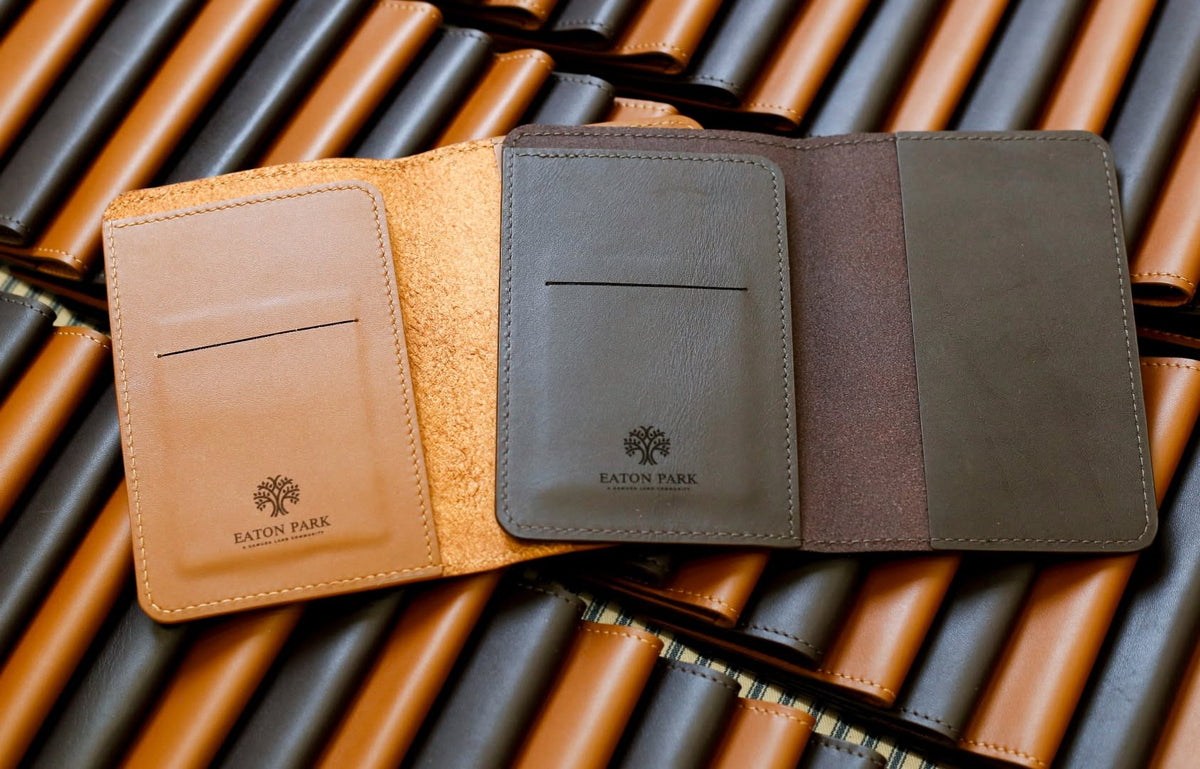
The slightly uneven stitching on a leather bag, the subtle irregularities in a ceramic bowl, or the finely engraved details on a luxury watch - all are artisan signatures, proof of the time and care invested by the maker. These marks create unique, one-of-a-kind pieces that machines simply cannot replicate. A leather bag softening beautifully over time, a ceramic set shimmering with age, a wooden chair standing firm for decades - these objects remind us that true value lies not in perfection or quantity, but in time, care, and the story behind each piece.

III. Conclusion
If speed is the language of the 21st century, then craftsmanship is the stillness we need to find meaning. It reminds us that enduring value does not come from mass production, but from objects that can “tell a story”, each piece a testament to the connection between humans and the material world.
What do you think? Which handcrafted items anchor your daily life? Share your story and let the community explore the timeless value these objects bring.