In 2026, the act of gifting a partner is no longer about choosing an expensive item to fill an empty space on a desk. Modern office drawers are already overflowing with nameless souvenirs, and landfills are burdened by layers of glossy plastic from industrial gift baskets. It is time to redefine gifting as an act of sustainability and sincerity rather than a mere formality.
The strategy for B2B corporate gifting has shifted. Instead of asking "What should we give?", leading brands focus on "What impact will this gift create after it is unwrapped?"
So, what are the top corporate gifting trends for 2026? Why is sustainability important in business gifting? Let’s explore the model defining the next generation of luxury business gifts with Neyuh Gifts.
In 2026, meaningful corporate gifting is defined by four essential pillars: utility, masterful craftsmanship, low-waste packaging, and alignment of ethical values.
1. Useful: : Solving practical problems with functional business gifts

The true value of luxury business gifts lies in their ability to solve a specific problem in the recipient's daily life. Heavy crystal trophies or dust-collecting ornaments should be replaced by items that serve a functional purpose.
According to research from the Advertising Specialty Institute (ASI), utility is the number one reason recipients keep a corporate gift. Over 75% of respondents stated they have a more positive impression of a partner if the gift serves a practical purpose.
In developed markets like Scandinavia or Japan, the philosophy of "Essentialism" guides major corporations. Instead of extravagant but perishable hampers, brands like Apple or Google prioritize minimalist tech or premium office accessories for daily use.
When an object becomes a tool for living, it creates a natural, lasting connection. In psychology, this is known as the "Mere-exposure effect". When a partner interacts with your gift 5–10 times a day, your brand and your thoughtfulness are subconsciously etched into their mind.
2. Well-made: Delivering lasting value through well-made artisanal products

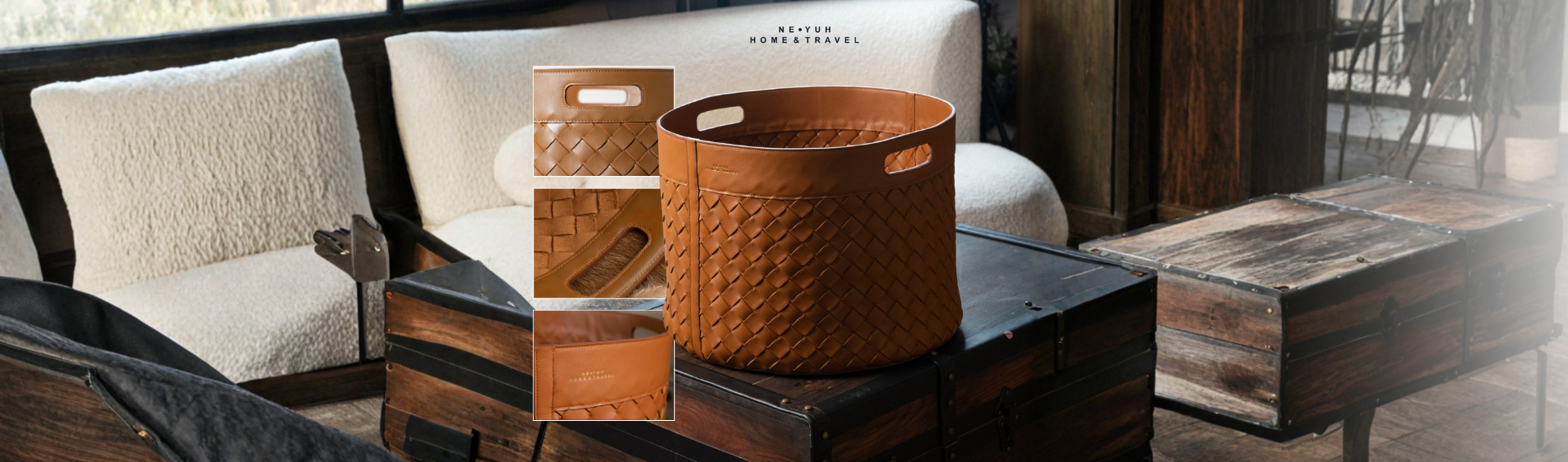
Utility must go hand-in-hand with exquisite quality. In a world of disposable goods, handcrafted leather gifts from Vietnam are prized for their durability and technical precision. A superior product reveals its value through its weight, material longevity, and the accuracy of its construction.
Handcrafted corporate gifts are more than just aesthetic choices. Tthey represent labor, effort, time, and cultural heritage. Most importantly, they are crafted with sustainability in mind, designed to age gracefully alongside the user. Whether as a decorative piece in an art collection or a staple for special occasions, these handmade leather accessories stand the test of time.
3. Low-waste: Minimizing environmental footprint with low-waste solutions

A Giver’s sophistication is tested by their commitment to reducing waste. Souless plastic wraps and bubble wrap often diminish the initial sincerity of a gift. Today, packaging is a vital part of the message itself.
Leading providers of VIP corporate gifts are phasing out plastic films in favor of 100% recycled paper. Utilizing natural fabrics and traditional wrapping techniques transforms the packaging into a reusable gift. Biodegradable plant-fiber inserts also offer peace of mind, ensuring the gift leaves no negative footprint on the environment. This approach helps businesses boost their CSR profile and builds rapport with partners who share a vision for a green future.
4. Alignment of Values: Building professional bonds through alignment of ethical values

The soul of a gift lies in the shared values between the giver and the receiver. Instead of impersonal items, prioritize products that tell a story of ethical sourcing and responsible production. This could be a bespoke item from a local craft village, contributing to the preservation of fading cultural traditions.
Data from Barclays indicates that companies with high ESG (Environmental, Social, and Governance) scores enjoy greater trust from partners and investors. Global entities like Patagonia or IKEA have turned gifting into a vehicle for environmental and cultural conservation. This alignment of mindset transforms a buyer-seller dynamic into a partnership of like-minded collaborators.
Conclusion

Instead of seeking a momentary "wow" factor, we should focus on enriching a partner's life through understanding. A meaningful gift does not end its life in a drawer; it continues its journey as a long-term companion. The kindness and sophistication in every choice are the strongest threads that bind important professional relationships.