The recent strategic report, “Design Trends 2026” by Vogue Living (Australia), has ignited a profound dialogue within the global architectural and design community. Moving beyond superficial forecasts of palettes and silhouettes, the report identifies a systemic shift: Interior design in 2026 is an act of "resistance" against the dominance of ego-driven technology and industrial mass-production. We are entering an era where the concept of luxury is stripped of its flamboyant veneer, returning to its core values: spiritual sanctuary and the raw authenticity of materials.
I. From Mass Consumerism To "Curated Living"
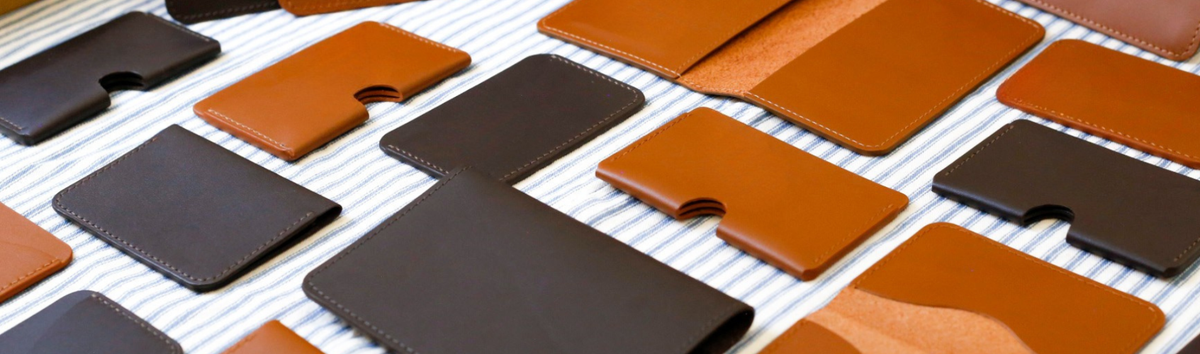
The 2026 design landscape will witness a decisive decline in mass-produced goods—items often regarded as "soulless objects" lacking connection. In their place, the global elite are gravitating toward a Curated Living philosophy, where every element within a space is scrutinized for its purpose and timelessness. Handcrafted pieces are no longer viewed as mere alternatives; they have become living entities, bearing the hallmark of master craftsmanship and the profound depth of time. In an age where everything can be replicated by algorithms, the imperfect lines carved by human hands stand as the ultimate evidence of exclusivity and true prestige.

II. The Beauty Of "Imperfection" Philosophy & the Ascent Of Reality
From an expert’s perspective, 2026 eschews the sterile perfection typical of 3D renderings. Instead, we are witnessing the celebration of the "Beauty of Imperfection." Modern living spaces are beginning to embrace the "scars" of life: the natural patina on a copper surface, the irregular grain of timber, or the organic crackle of a ceramic wall. This acceptance reflects a new psychological state of the modern individual, a visceral craving for authenticity in a world increasingly blurred by AI.
A space with true vitality is one that dares to display the layers of time, fostering a forgiving environment where inhabitants can shed the pressure of perfection to truly "live."

III. The Language of Raw Materials
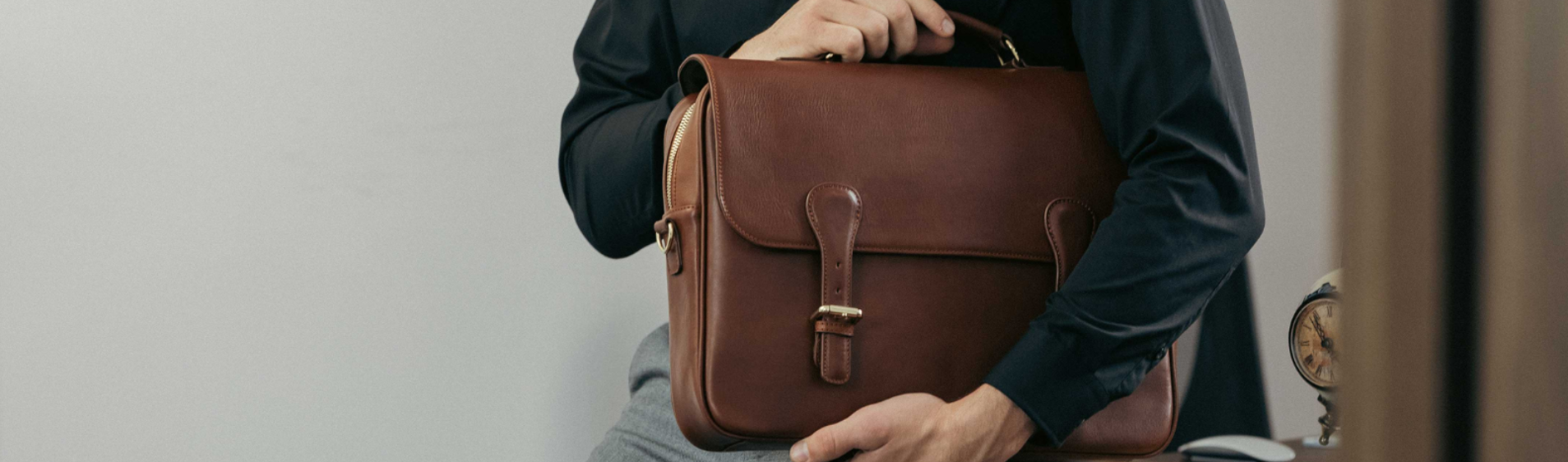
A cornerstone of 2026 design is Tactile Design. As our vision grows weary of flat screens and synthetic polymers, our hands yearn for physical interactions with depth and structure. The juxtaposition of natural wood, full-grain leather, raw stone, and naturally oxidized metals does more than create aesthetic layers; it establishes a system of emotional communication. Every material carries its own density and temperature, compelling us to pause, to touch, and to rediscover a steadfast connection with reality through every sense.

IV. Earth-Centric Palettes & Wellness Structures
The 2026 color story is a tribute to Mother Nature, dominated by Earth-centric tones: bark brown, desert beige, deep forest moss, and warm terracotta. These hues possess stable wavelengths that optimize psychological healing and energy restoration. Parallel to this, spatial structures are shifting toward organic forms. Soft curves are replacing the rigidity of traditional geometric angles. Kitchens and bathrooms are being elevated from utilitarian zones to Wellness Hubs, sanctuaries where technology recedes to make room for the nourishment of mind, body, and soul, transforming the home into a restorative ecosystem.

V. Where Trends Meet The True Self
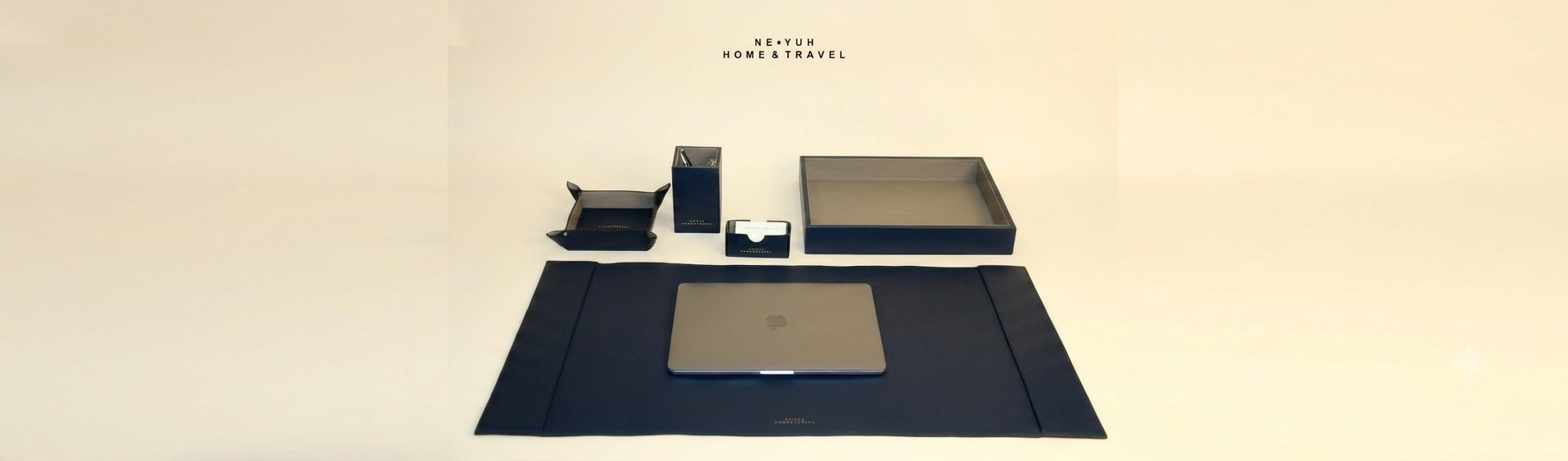
Looking at the panoramic view of 2026, we see an absolute resonance with the philosophy Neyuh Home & Travel has steadfastly pursued since its inception. For us, design is the distillation of enduring values to serve a life of sanctuary and deliberation. The sophistication of the future lies not in the most brilliant objects, but in the most honest ones, those created with clear intent and the soul to last across generations. We believe that as the world becomes more complex, the human spirit will only crave a return to the primal and the indigenous.

What are your thoughts on these insights? Do you envision the future of design differently? Leave a comment below and let’s start a conversation!